Summary
Summer in Lawton, OK brings temperatures above 95 degrees, making heat safety for seniors in Oklahoma especially important. As bodies age, temperature regulation becomes less efficient, increasing vulnerability to heat-related illness during extreme weather.
- Older adults sweat less effectively and may take certain medications that interfere with cooling and hydration regulation.
- Heat exhaustion signs include heavy sweating, weakness, cool skin, dizziness, and nausea; heat stroke requires immediate 911 calls.
- Schedule outdoor activities during early morning or evening, avoid peak heat hours (10 a.m.–4 p.m.), and wear lightweight clothing.
- Drink water regularly throughout the day rather than waiting until thirsty; keep a refillable bottle nearby for easy access.
- Stay in air-conditioned spaces during extreme heat, use fans for circulation, and visit local cooling centers if home cooling is unavailable.
Summer in Lawton, OK, brings long, sunny days and temperatures that frequently climb above 95 degrees. While warm weather offers opportunities to spend time outdoors, extreme heat can be especially challenging for older adults. Understanding heat safety for seniors in Oklahoma helps families recognize potential dangers and make everyday routines safer.
Whether your loved one lives at home or in a senior living community, a few practical precautions can make summer more comfortable. Staying hydrated, recognizing warning signs, and knowing when to head indoors are important steps.
Why Hot Weather Poses Greater Risks for Older Adults
As we age, our bodies become less efficient at regulating temperature. This makes it harder to cool down during Oklahoma's hottest months, even when someone feels comfortable outdoors.
Several factors contribute to hot weather risks for seniors:
- Reduced sweating: The body's natural cooling process may become less effective with age.
- Medication effects: Certain blood pressure medications, diuretics, and antihistamines can affect hydration or temperature regulation.
- Chronic health conditions: Heart disease, diabetes, and respiratory conditions may increase vulnerability to extreme heat.
- Reduced thirst: Older adults may not recognize when they need additional fluids.
Understanding these changes helps families plan ahead, especially during extended heat waves when spending even a short time outdoors can become uncomfortable.
Recognizing Warning Signs of Heat-Related Illness
Recognizing symptoms early is an important part of preventing heat exhaustion in seniors. Heat exhaustion and heat stroke are related conditions, but they require different levels of medical attention.
Signs of Heat Exhaustion
Heat exhaustion can develop after prolonged exposure to high temperatures, particularly when someone becomes dehydrated.
Common symptoms include:
- Heavy sweating, weakness, or unusual fatigue
- Cool, pale, or clammy skin
- Dizziness, headache, or nausea
- Muscle cramps or a rapid pulse
If these symptoms appear, move the person to an air-conditioned area, loosen clothing, and apply cool, damp cloths. Offer small sips of water if the person is fully alert and able to swallow. Seek medical attention if symptoms worsen or do not improve promptly.
When Heat Stroke Becomes an Emergency
Heat stroke is a life-threatening medical emergency. Warning signs include confusion, fainting, seizures, a very high body temperature, or hot skin that may be dry or sweaty.
Call 911 immediately if heat stroke is suspected. Move the person somewhere cooler and begin cooling them with water or cool compresses while waiting for emergency assistance. Do not give fluids to someone who is confused or unconscious.
Practical Summer Safety Tips for Seniors
Preventing heat stroke in older adults begins with simple daily habits. During Lawton's hottest months, planning around the weather can help reduce unnecessary exposure.
Plan Outdoor Time Carefully
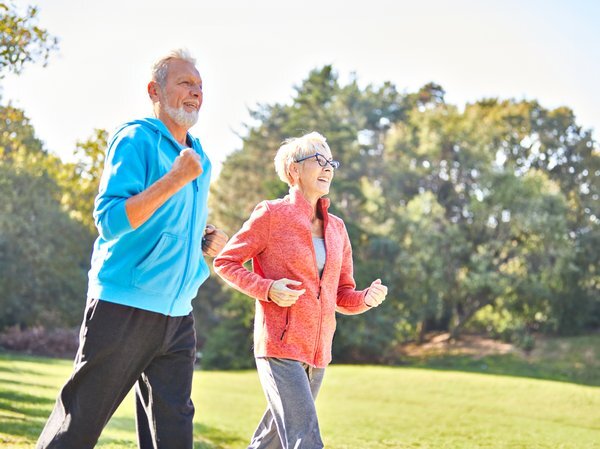
Try scheduling walks, errands, and outdoor gatherings during the early morning or evening. Avoid strenuous outdoor programs during peak heat, particularly between 10 a.m. and 4 p.m.
Lightweight, loose-fitting clothing and wide-brimmed hats can also make spending time outside more comfortable.
Make Hydration Part of Your Routine
Drinking water regularly is essential for keeping seniors cool in summer. Rather than waiting until thirst develops, encourage frequent water breaks throughout the day.
Keeping a refillable water bottle nearby can make hydration easier. People with medical conditions that require fluid restrictions should follow their healthcare provider's recommendations.
Creating Cool, Comfortable Indoor Environments
Air conditioning is one of the most effective ways to reduce heat-related illness. During extreme temperatures, older adults should spend time in reliably cooled indoor spaces.
A few adjustments can help maintain a comfortable environment:
- Close curtains or blinds during the sunniest hours.
- Use fans for air circulation, but not as the only cooling method during extreme heat.
- Take cool showers or use damp washcloths for relief.
- Visit public cooling centers or air-conditioned community spaces when home cooling is unavailable.
Local libraries and designated cooling centers may provide welcome relief during extended heat waves. Check availability before visiting.
Medication Management During Summer Months
Some medications can affect how the body responds to heat. Diuretics, certain blood pressure medications, and other prescriptions may increase dehydration risks or interfere with temperature regulation.
Before summer arrives, ask a healthcare provider or pharmacist whether any medications require additional precautions. Never adjust prescribed doses without professional guidance.
Medication storage also deserves attention. Keep prescriptions according to label instructions, away from direct sunlight and excessive heat. Avoid leaving medications inside parked vehicles, where temperatures can rise quickly.
Enjoying a Comfortable Summer at Morada Lawton
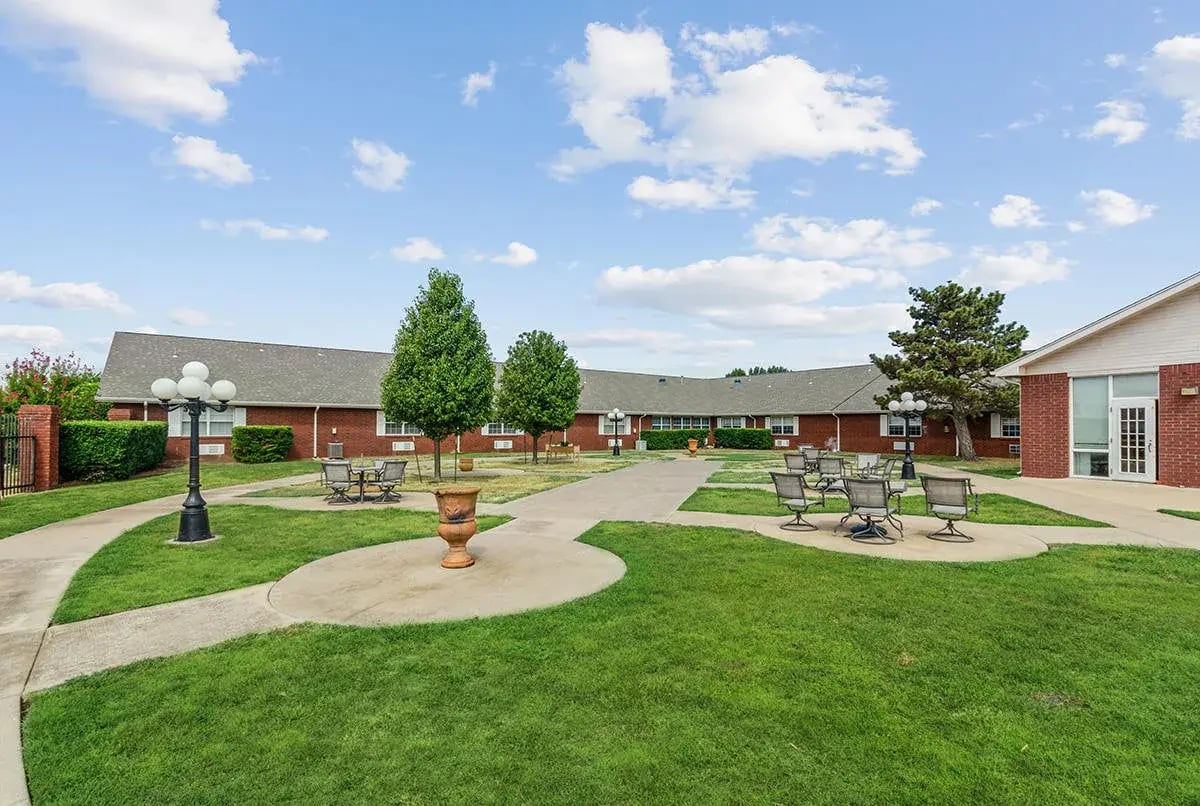
At Morada Lawton, residents can enjoy a welcoming community setting while making indoor comfort part of their summer routines.
The community offers Assisted Living and GLOW® Memory Care, providing different levels of personalized support based on residents' needs. Assisted Living helps with everyday tasks, while GLOW® Memory Care offers a more specialized approach for individuals living with dementia.
Shared indoor spaces, opportunities for social connection, and community dining can make it easier to enjoy the season without relying on outdoor gatherings during extreme heat.
Families exploring senior living options can also ask how daily routines, hydration reminders, and seasonal programs are handled.
Discover Senior Living at Morada Lawton
Summer safety matters, but it shouldn't mean missing out on enjoyable days. Morada Lawton offers a friendly setting where residents can connect with neighbors, enjoy meals, and receive support suited to their needs. Schedule a tour or call 580-315-1111 to explore the community and learn more about its Assisted Living and GLOW® Memory Care options.